What we make / Boat Decals & Registration Numbers
Cut vinyl decals & letteringBoat Decals & Registration Numbers
Boat names, licence numbers, hull stripes and graphics in marine-grade cast vinyl — cut to Transport Canada spec and shipped free.
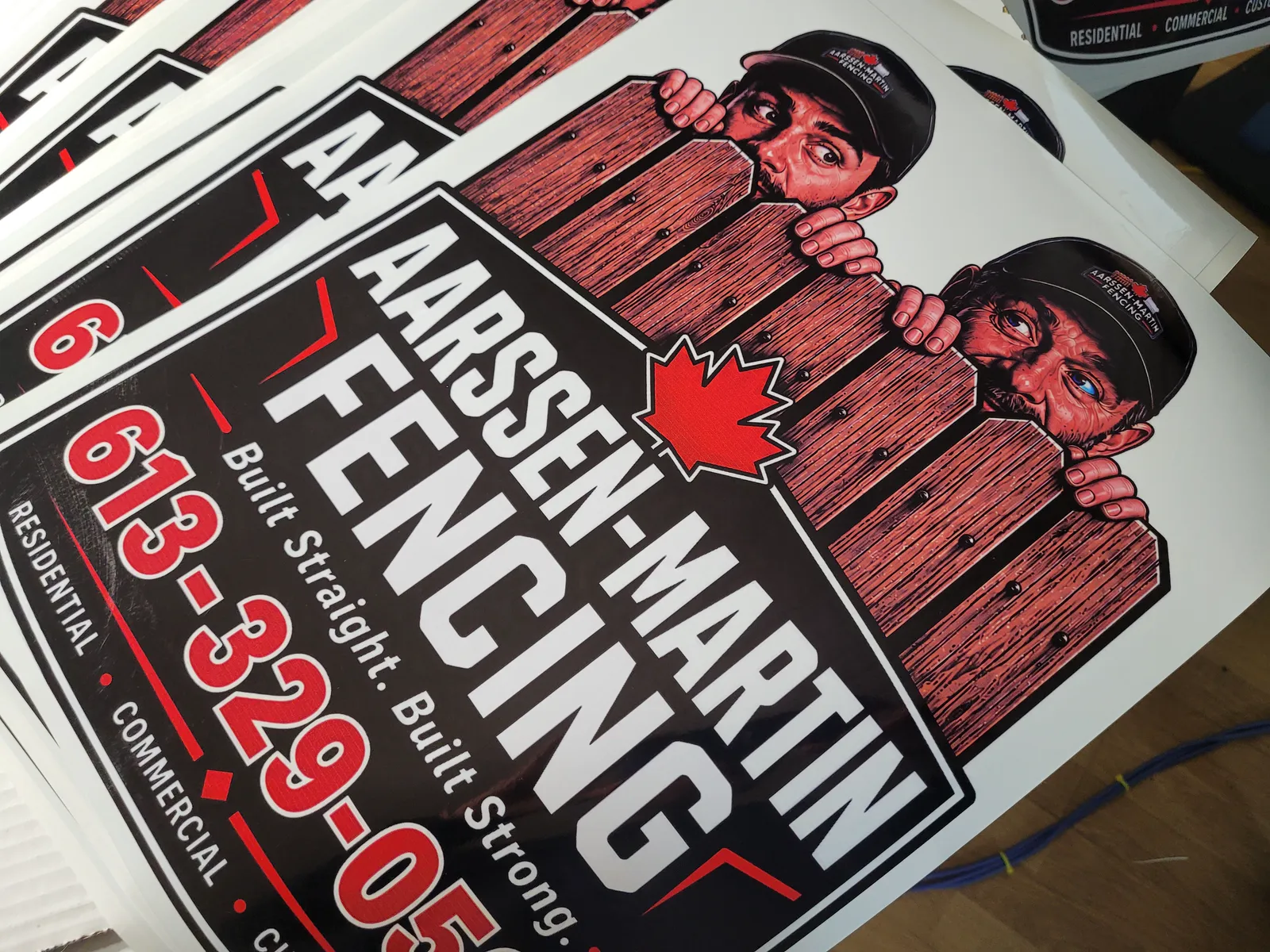
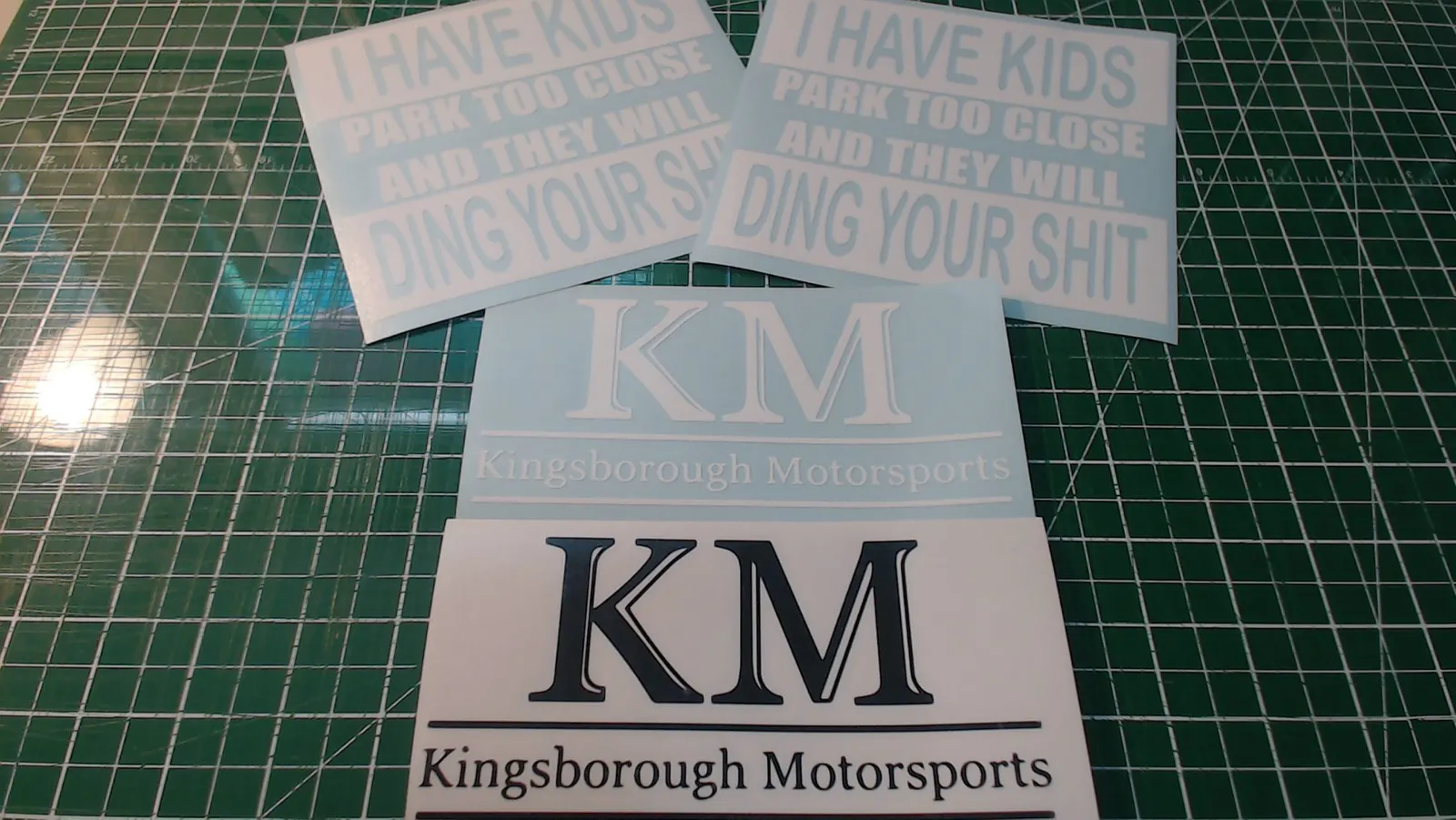
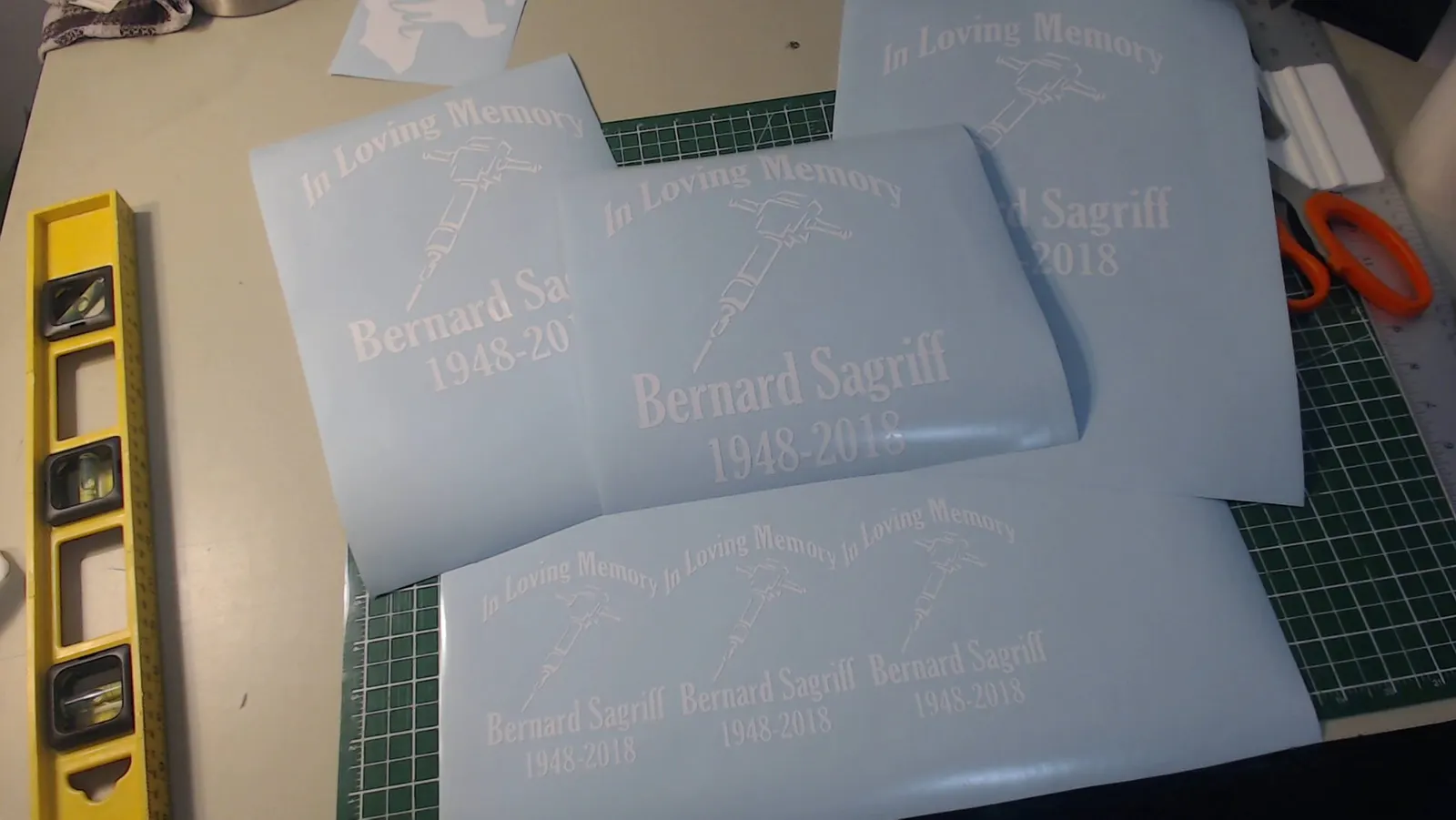
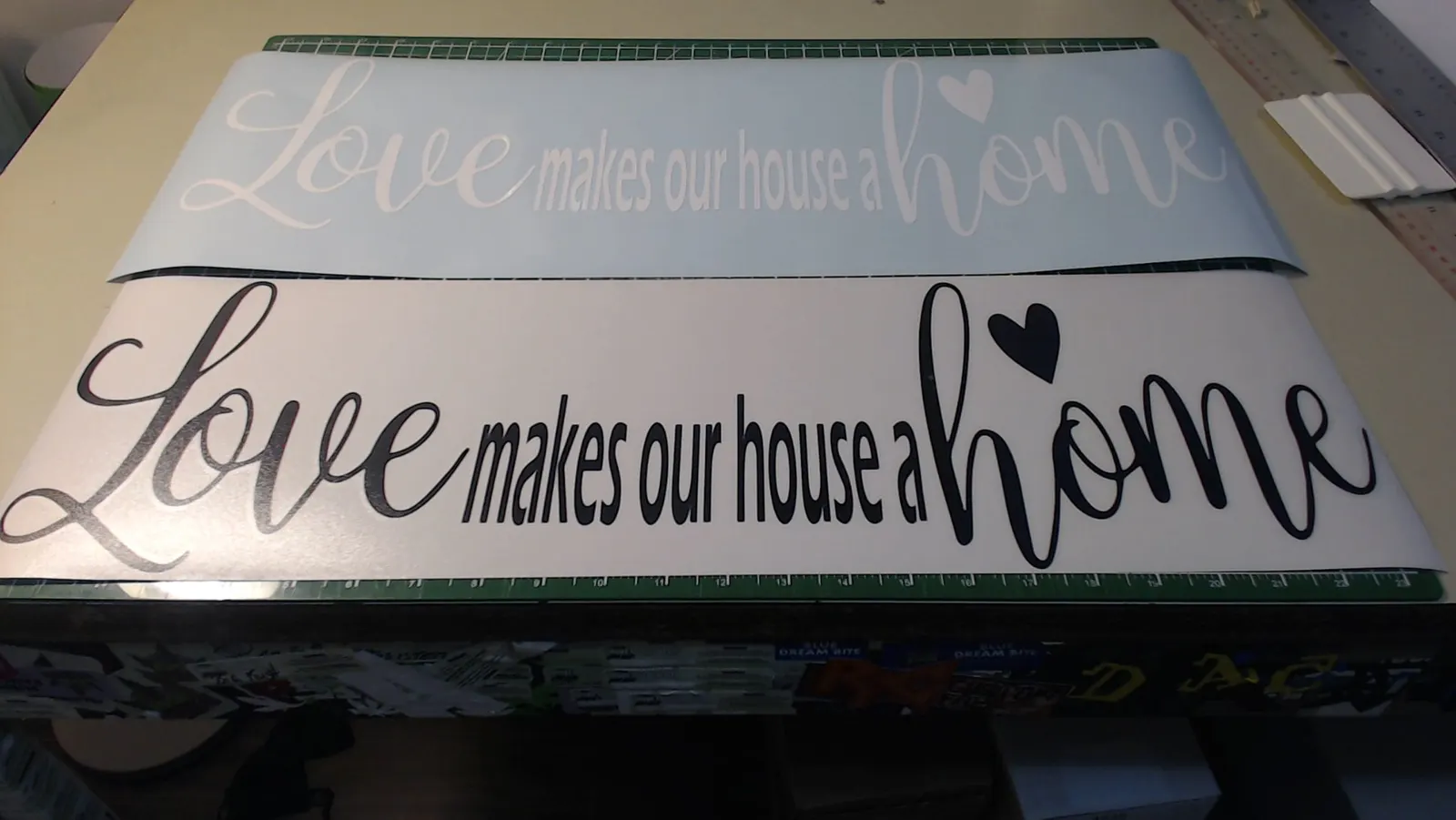
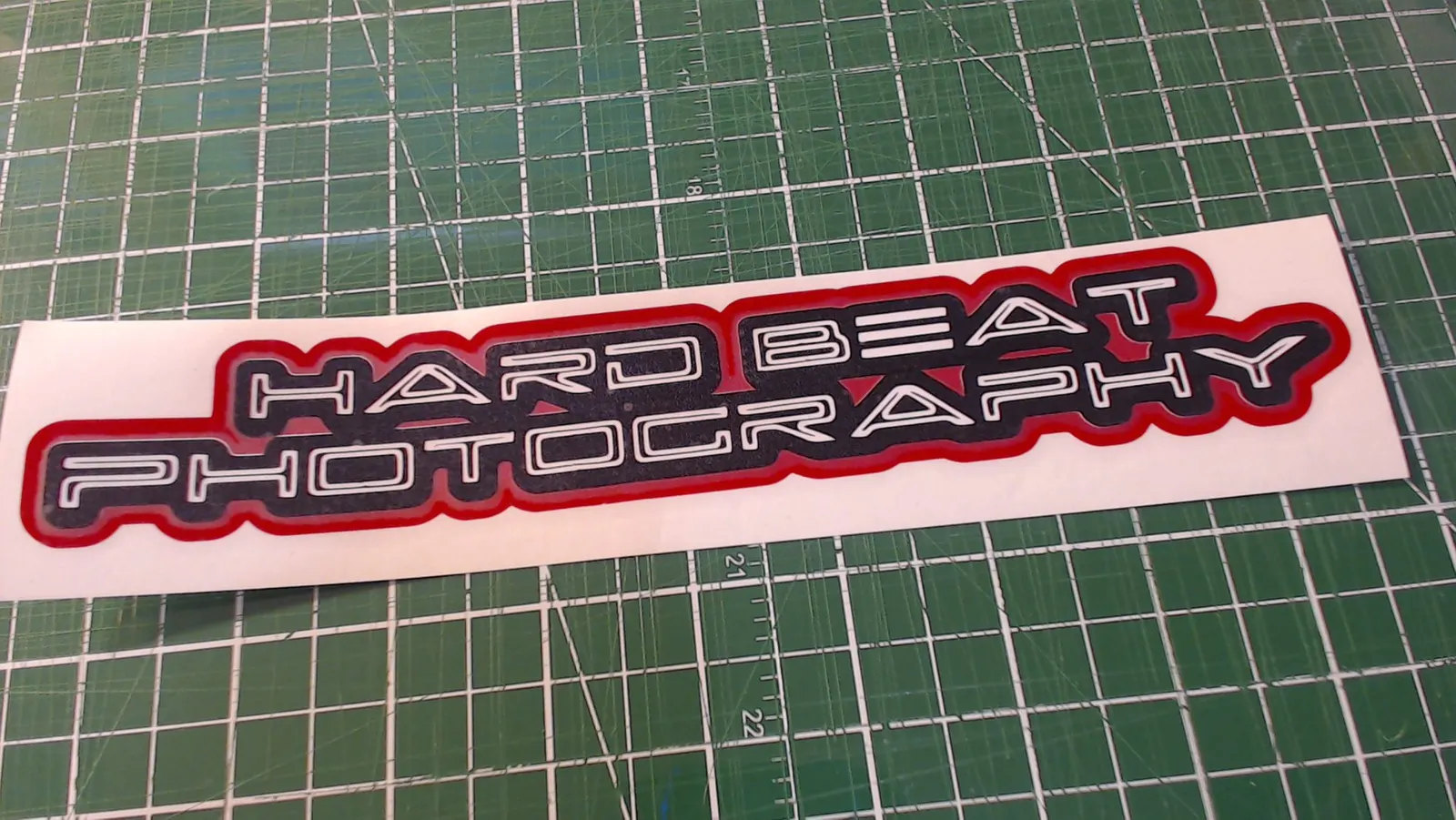
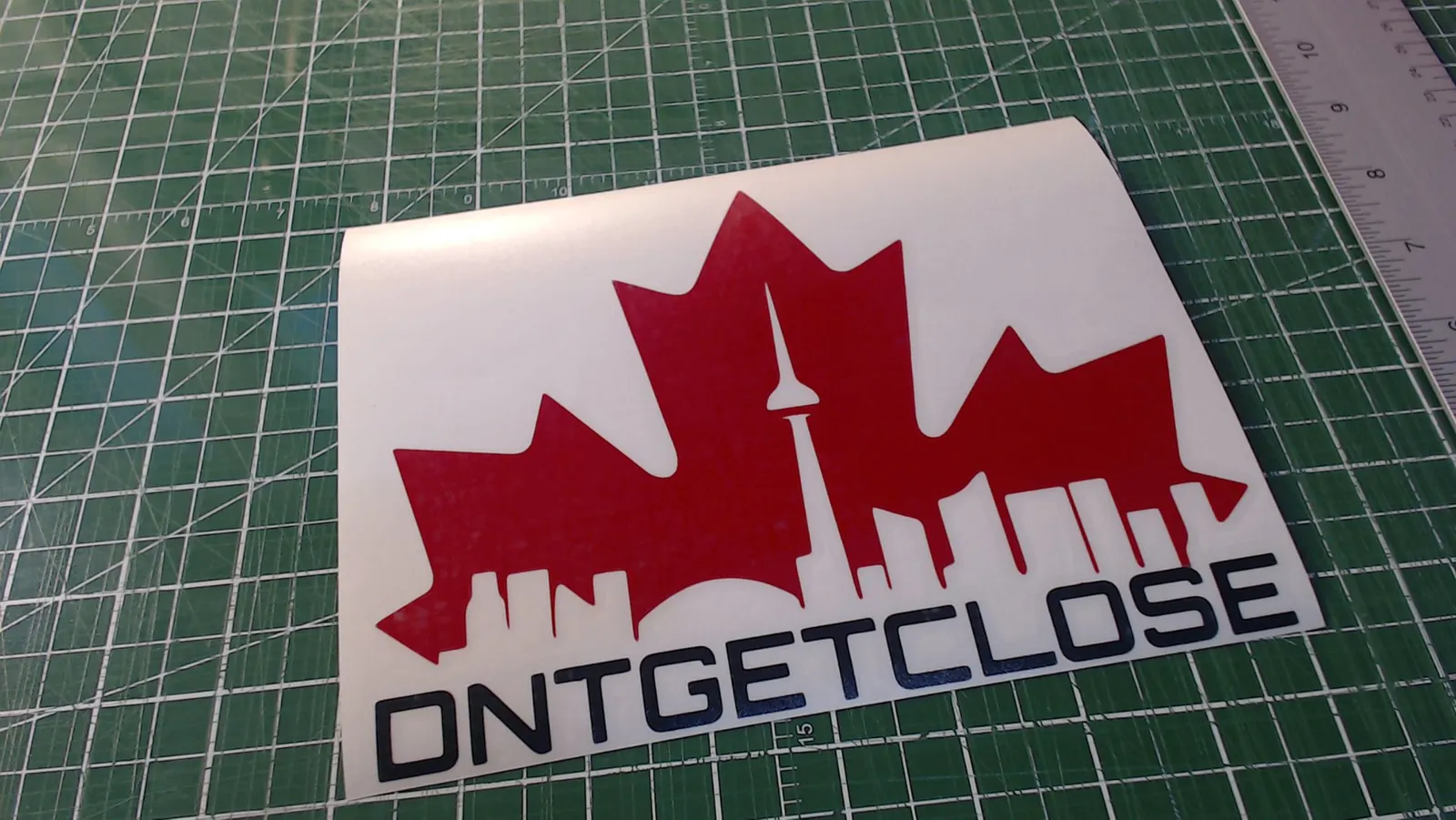
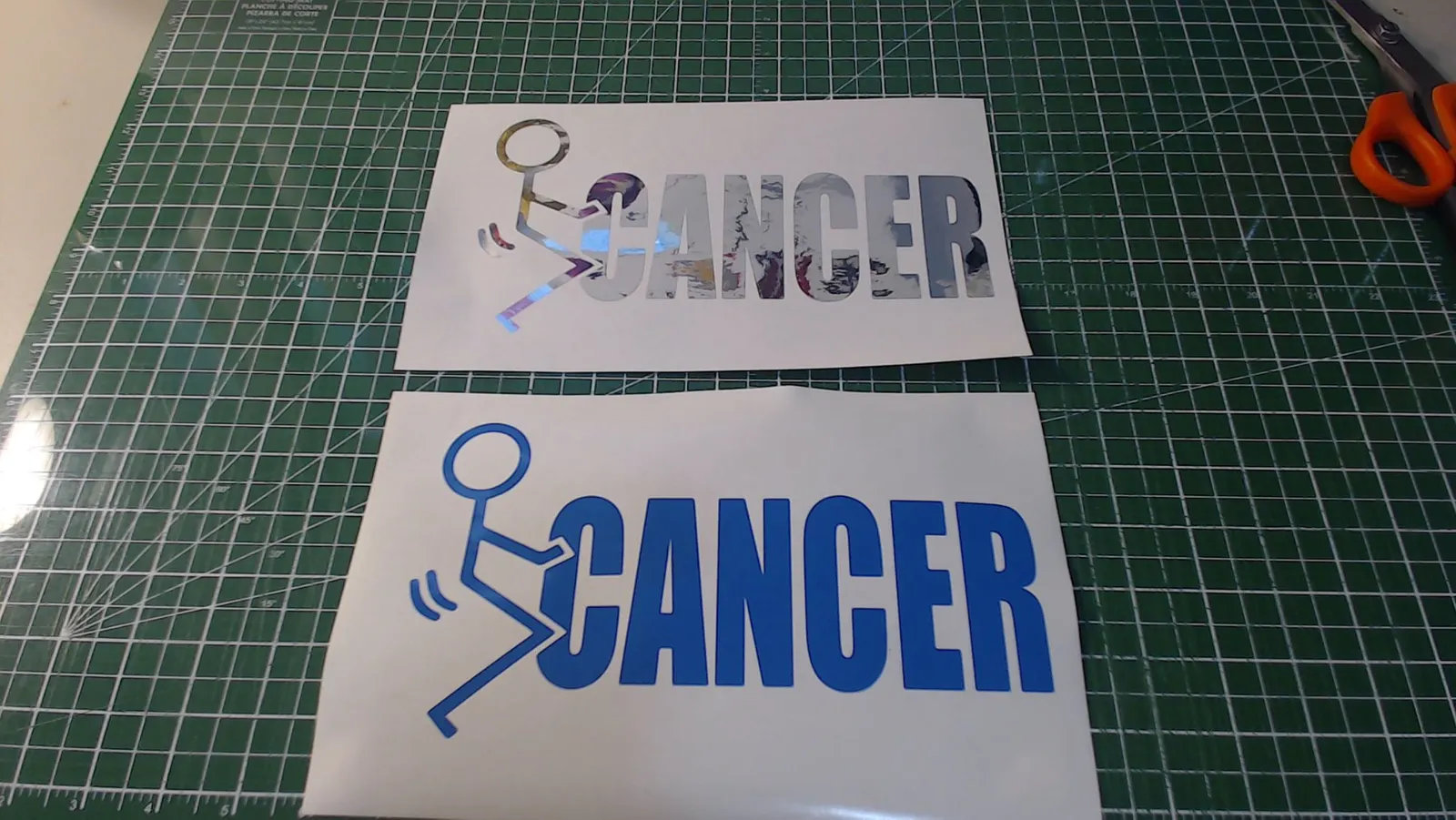
More of this work in the gallery →
Boat names, registration numbers and hull graphics
Cut vinyl is how boat names, hailing ports and licence numbers have gone on hulls for forty years, and it is the part of the sign trade that travels best by mail. We cut boat decals, transom names, pleasure craft licence numbers, hull stripes and accents, dock box and trailer lettering, and graphics for kayaks, canoes and personal watercraft, in marine-grade cast vinyl, and ship them free anywhere in Canada pre-masked with transfer tape — from Muskoka and the Kawarthas to the Okanagan, Lake Winnipeg, the Bay of Fundy and the St. Lawrence.
Licence numbers that meet the rule
Transport Canada requires a pleasure craft licence number to be displayed on both sides of the bow, above the waterline, as far forward as practical, in block characters at least 7.5 cm (3 inches) high in a colour that contrasts with the hull. We cut registration and licence numbers to that spec as standard — typically 3 to 4 inches high, in a clean block font, white or black against the hull colour, in two mirror-image sets so the numbers read correctly on both sides. Send the exact characters from your licence; the proof shows them at size before anything is cut. If your vessel is registered rather than licensed, send what your certificate specifies and we match it.
Transom names, hailing ports and stripes
A transom name is the one decal on a boat people actually read, so it is worth a real typeface and the right size: 6 to 10 inches high on a runabout or bowrider, larger on a cruiser, with the hailing port in smaller lettering beneath. Scripts, outlines, shadows and two-colour layered names are all cut vinyl. Hull and cove stripes are cut from the same cast film in long runs; a faded factory stripe can be replaced to match. Everything is proofed against a photo of your boat first.
Why die cut, not a printed rectangle
A printed sticker is your artwork on a white (or clear) rectangle; on a gelcoat hull that rectangle shows, yellows and lifts at the corners. A die cut vinyl decal is the shape of the lettering or logo itself, with the hull showing through everywhere else — nothing to peel, no box around the design, and it outlasts print because there is no ink to fade. For a full-colour graphic that genuinely needs printing we print on cast vinyl, laminate it and contour-cut it tight to the edge of the artwork so there is no visible background. See die cut vinyl decals for how the material works.
Marine vinyl, salt water and the waterline
Hulls are curved and gelcoat is slick, so boat decals get cast vinyl — the same film used on vehicles — which conforms to the curve and stays conformed; Oracal rates it to around eight years outdoors, in fresh or salt water. The honest limit is the waterline: cut vinyl is for the hull above it. Lettering that sits permanently submerged, or on a hull that gets antifouling paint, is a different job, and we will say so. Rotomoulded polyethylene kayaks and inflatables are the other surface to check with us first: smooth, clean polyethylene usually takes cast film well, but heavily textured plastic does not.
Applying on gelcoat, and removing the old numbers
Clean the hull with soapy water and then isopropyl alcohol to lift wax and polish, work above about 10°C, and use the wet method for long pieces — a mist of water with a drop of soap lets a transom name slide into position before it grabs. The application guide has both methods step by step. Old vinyl numbers come off with gentle heat and a slow peel; the ghost line of clean gelcoat they leave disappears with a polish or is covered by the new set.
Getting a quote
Email info@signs613.com or use the request form with a photo of the hull, the hull colour, the exact licence number or name, roughly how long the space is, and any font or style you like. You get a proof by email, then the decals ship free anywhere in Canada. Marinas and dealers ordering number sets for several boats are welcome. Lettering for trailers is on trailer branding; your tow vehicle on car and truck decals.
Common questions
How do I get a quote?
Email info@signs613.com or send the request form on this site — both land in the same inbox. Tell us the size, the quantity and where it is going, and attach your artwork or a photo. A real person replies with a clear price and turnaround. We do not publish a phone number; if you would rather be called, leave your number in the form and say so.
Do you ship across Canada?
Yes — standard shipping is free anywhere in Canada. Expedited shipping is available on request; tell us your deadline and we will quote it alongside the free option.
Will I see a proof first?
Always. Every job gets a proof by email showing size, colour, spelling and layout, and nothing is cut or printed until you approve it.
How long does it take?
Most decal, sticker and lettering jobs are made within about five business days of proof approval, plus shipping. Larger signs and installations are scheduled with you. In a hurry? Say so and we will tell you honestly what is possible.
What file format should I send?
Cut vinyl needs vector artwork — SVG, PDF, AI or EPS — because the blade follows the outlines in the file. A JPG or PNG has no outlines. Only have a photo of your logo? Send it anyway and we can redraw it as vector for a small fee.
What size do Canadian boat licence numbers have to be?
Transport Canada's rule for a pleasure craft licence number: on both sides of the bow, above the waterline, in block characters at least 7.5 cm (3 inches) high, in a colour that contrasts with the hull. We cut them at 3 to 4 inches as standard, in two mirror-image sets so they read correctly on each side. Send the exact characters from your licence and check your own paperwork for anything specific to your vessel.
What is the difference between die cut and kiss cut?
Die cut means the blade goes through the vinyl AND the backing, so the finished piece is the shape of your artwork. Kiss cut means only the top layer is cut and the backing sheet stays whole, so the sticker sits on a larger square you peel it off. One thing worth knowing: most online sticker shops selling "die cut stickers" mean a printed, laminated sticker cut to shape. What we cut here is solid colour vinyl with no printing and no background, pre-masked with transfer tape — on glass or a truck door there is no visible sticker edge at all.
Should I ask for permanent or removable vinyl?
Permanent vinyl uses a strong adhesive and is what belongs on vehicles, storefront glass, equipment and anything outdoors. Removable vinyl uses a lower-tack adhesive meant to come off cleanly after months rather than years — right for a seasonal promotion, a leased vehicle, a rented space or a wall you do not own. "Permanent" describes adhesive strength, not a life sentence: it still comes off with gentle heat and patience. Tell us how long it needs to last and whether it must come off cleanly, and we will pick the film.
Will the vinyl hold on gelcoat, in salt water and through winter storage?
Yes, above the waterline. Marine jobs get cast vinyl, which conforms to a curved hull and is rated around eight years outdoors in fresh or salt water. Apply it to a clean, de-waxed hull above about 10°C; after that, winter storage, trailering and pressure washing from a normal distance are all fine. Lettering that sits permanently submerged or on antifouling paint is a different job and we will say so.
What surfaces will a vinyl decal stick to?
Vinyl wants smooth, clean and non-porous. Glass, painted or enamelled metal, powder-coated panels, sealed or varnished wood, acrylic and smooth rigid plastics all hold well. Gloss and semi-gloss painted drywall is fine; flat paint is less reliable and heavy texture is a gamble. It will not hold on brick, concrete, stucco, raw or weathered wood, or anything chalky or flaking — there is nothing continuous for the adhesive to grip. Send a close-up photo of the surface if you are unsure and we will tell you before you order.
Will a decal damage my paint or my window tint?
Applied and removed properly, no. Vinyl sits on the clear coat, not in it, and comes off with gentle heat from a hair dryer, lifted at a shallow angle — never a blade, and never a heat gun held in one spot. Factory tint is inside the glass and is not affected. Aftermarket tint film is the exception: it is a film on the inside of the window, so put the decal on the OUTSIDE of a tinted window and it is a non-issue. Paint that is already cracked, flaking or freshly resprayed is the real risk — let new paint cure for at least a month first.
Can you do a two-colour or shadowed boat name?
Yes. Outlines, drop shadows and two- or three-colour names are layered cut vinyl: each colour cut separately and registered on one sheet of transfer tape, so the whole name still goes on in one piece. Scripts and nautical typefaces are no problem; send a photo of a style you like.
Can I put a decal on in winter?
Not outdoors in a Canadian February. Vinyl adhesive needs roughly 10 degrees Celsius or warmer to tack, and both the air and the surface have to be there — a sunny minus-five afternoon is still a cold truck door, and cold vinyl cracks instead of conforming. Bring the vehicle or panel into a heated garage, let it come up to temperature for a few hours, clean it with isopropyl alcohol and apply indoors. Then leave it a full day before rain, a car wash or a freeze-thaw cycle. Once cured, road salt and winter are not a problem for permanent vinyl; it is the first day that matters.
Can you cut any shape, any colour and any size?
Any shape your vector artwork describes, in any single vinyl colour we stock — standard colours plus metallic, matte, gloss, reflective, holographic and etched-glass finishes. Sizes run from roughly half an inch up to four feet wide on the roll, and larger again as tiled panels. The practical limits are at the small end: strokes thinner than about a sixteenth of an inch and text under half an inch are hard to weed and tend to lift. We check your artwork at the finished size and tell you before anything is cut.
How do I put a long transom name on straight?
Use the wet method: mist the hull with water and a drop of dish soap, position the whole piece while it floats, squeegee from the centre outward, and peel the transfer tape back slowly after a few minutes. A strip of masking tape along the top edge as a hinge keeps it level. The application guide walks through it.
How does a cut vinyl decal arrive, and how do I apply it?
In three layers: backing paper, your design in vinyl, and transfer tape over the top holding every letter in position. Peel the backing away, position the whole thing, squeegee firmly from the middle out, then peel the transfer tape back on itself at a shallow angle and the vinyl stays behind. Spacing and layout are already correct because the weeding was done here. Clean the surface with isopropyl alcohol first, not a household cleaner — wax and detergent residue is the usual reason a decal lifts later. Instructions ship in the package, and there is more detail in our decal guide.
Can you ship cut vinyl decals to my province?
Yes — every province and territory, with free standard shipping. Cut vinyl travels better than almost anything else a sign shop makes: it ships flat or rolled, pre-masked with transfer tape, so it arrives ready to apply and there is no surcharge for distance. The same decal costs a customer in British Columbia what it costs one in Ontario. Expedited shipping is quoted on request — tell us your deadline when you ask. Only installation stays local, across the Belleville, Kingston and Napanee area.
Do you ship boat decals to marinas and cottages across Canada?
Yes — boat decals are cut vinyl, which ships flat in a tube or rigid envelope with free standard shipping to every province and territory; marinas and dealers ordering number sets for several boats are welcome. Expedited is quoted on request when launch day is close.
What if something is wrong when it arrives?
Custom work cannot be returned for a change of mind, because it is made specifically for you — but if it arrives faulty, damaged or not as proofed, contact us within 14 days with a photo and we will remake or refund it.